
In Astra Taylor’s[1]Wife of the mercurial Jeff Mangum, incidentally. 2005 documentary Slavoj Žižek, the eponymous Slovenian philosopher makes an off-the-cuff comment about how we moderns, far from being far-too ironical, cynical, and emotionally detached as we are so often stereotyped, actually feel emotion even more deeply than anyone–as shown by how afraid we are to express it. In olden times, he explains, someone would have simply told their lover, “I love you,” straightforwardly, without fear or guile. But now, we must always couch our emotional expressions in some sort of quotation, saying some variation of, “To quote the poet, ‘I love you,'” or some such. But to say “I love you” in quotes is still to say “I love you.”
We put in the quotes to restrain emotion, not cut it loose, but to restrain it still indicates how much the emotion is stubbornly present. To quote TS Eliot in “Tradition and the Individual Talent“, “Poetry is not a turning loose of emotion, but an escape from emotion; it is not the expression of personality, but an escape from personality. But, of course, only those who have personality and emotions know what it means to want to escape from these things.” Ironic detachment can ironically be the most emotional expression of all.
This is something I often have in the back of my mind whenever I give a spin to Vivian Girls: the all-girl, Lo-Fi, Surf-rock band from Brooklyn that made a brief splash in Indie-Rock circles back in the late-2000s, and have been playing regular reunion shows since 2019. Go watch the intentional-amateurish video for their early single “Tell The World,” for example, and you will at first blush have no choice but to read it all as just one, big, half-assed joke. Those simplistic, sub-grade-school-diary lyrics–“Keep it to myself, no way/He knows what I know/He feels what I feel/I’ll tell the world about the love that I found”–feel more like a parody of overly-earnest Indie-Rock lyrics than anything intended to be read seriously. The winking low-budget video definitely encourages that reading.
Indeed, the entire enterprise feels like a tossed-off shrug: not just the juvenile lyrics and low-budget videos, but the basic three-chord Rock and careless feedback, the way they keep their vocals buried in the mix because who really cares about the lyrics anyways, the barely-there 21 minute run-time of their entire first album as though they couldn’t be arsed to write more than that–heck, the fact that their first album is self-titled, as though they couldn’t be arsed to come up with a clever title either. Everything about their first release scans like a low-stakes lark, an ironic parody of Indie-pop love-songs, a casual bit of winking fun and nothing more, as part of a larger Indie scene that had been doing just that for decades straight, dating all the way back to Lo-Fi pioneers like Beat Happening in the ‘80s or even the Ramones in the ‘70s.
And yet anyone who’s ever had a crush has still felt the same way: “I’ll tell the world about the love that I found”, unashamed, unabashed, uncaring of how corny and schmaltzy or artless it might sound later. To hide these sentiments behind heavy distortion, buried vocal mixes, and winking low-budget videos paradoxically calls attention to how deeply and sincerely they are really felt. Again, to say “I love you” in quotes is still to say “I love you”, and the only person you are fooling is yourself if you believe otherwise.
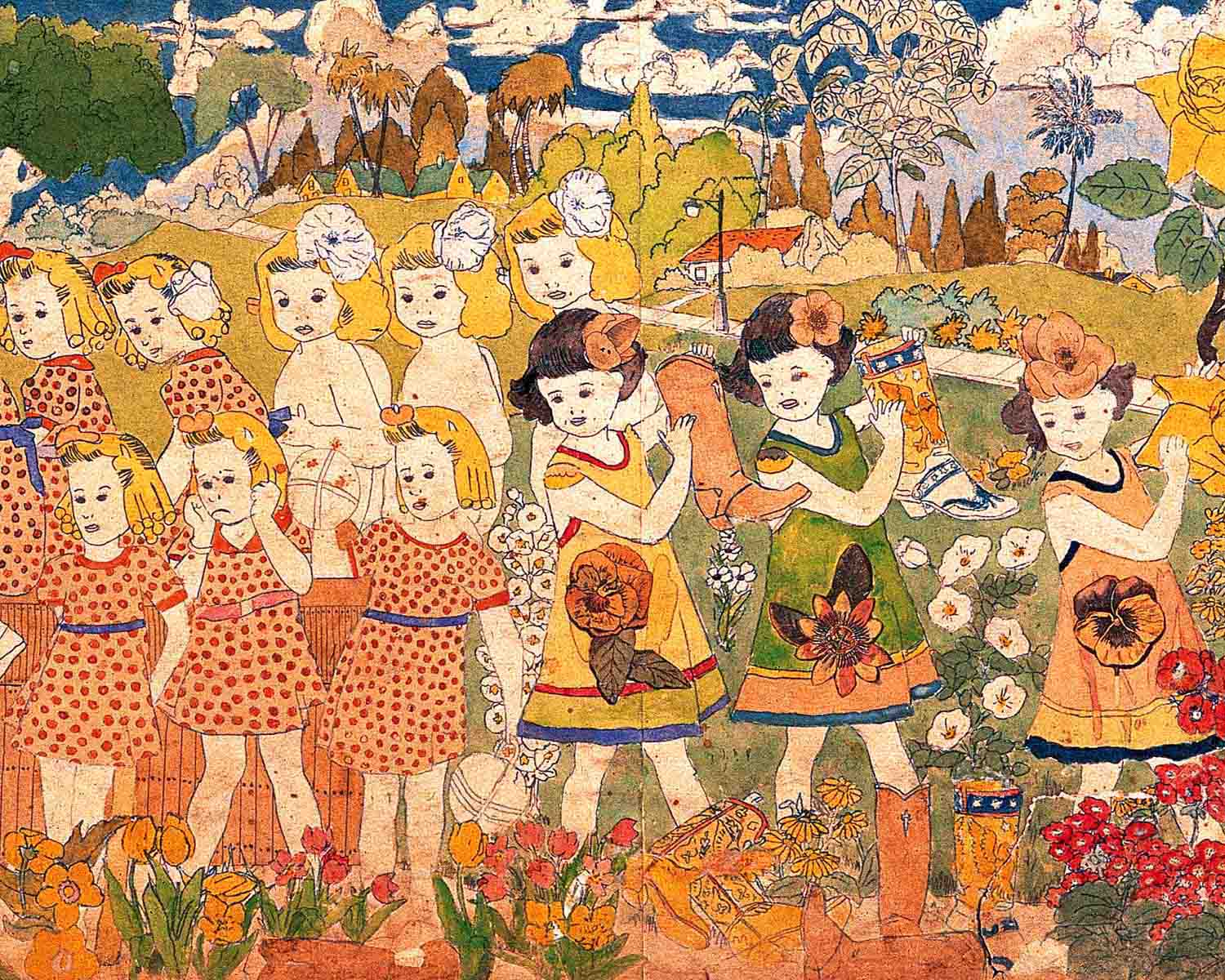
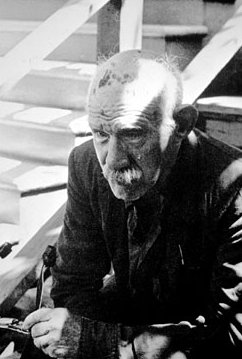
It might be useful here to remember that Vivian Girls named themselves for the outsider artist Henry Darger, a childless Chicago-area janitor, who when he passed away in 1971 left behind a massive, 15,000+ page, unpublished fantasy novel entitled The Story of the Vivian Girls, in What is Known as the Realms of the Unreal, of the Glandeco–Angelinian War Storm, Caused by the Child Slave Rebellion. His half-century-in-the-making labor of love was accompanied by hundreds of home-made illustrations that now feature in bona fide art museums nationwide (Animal Collective used his style for the cover of their 2005 album Feels)–all this, despite being utterly untrained as an artist himself, unassociated with any school or movement, toiling in life-long obscurity.
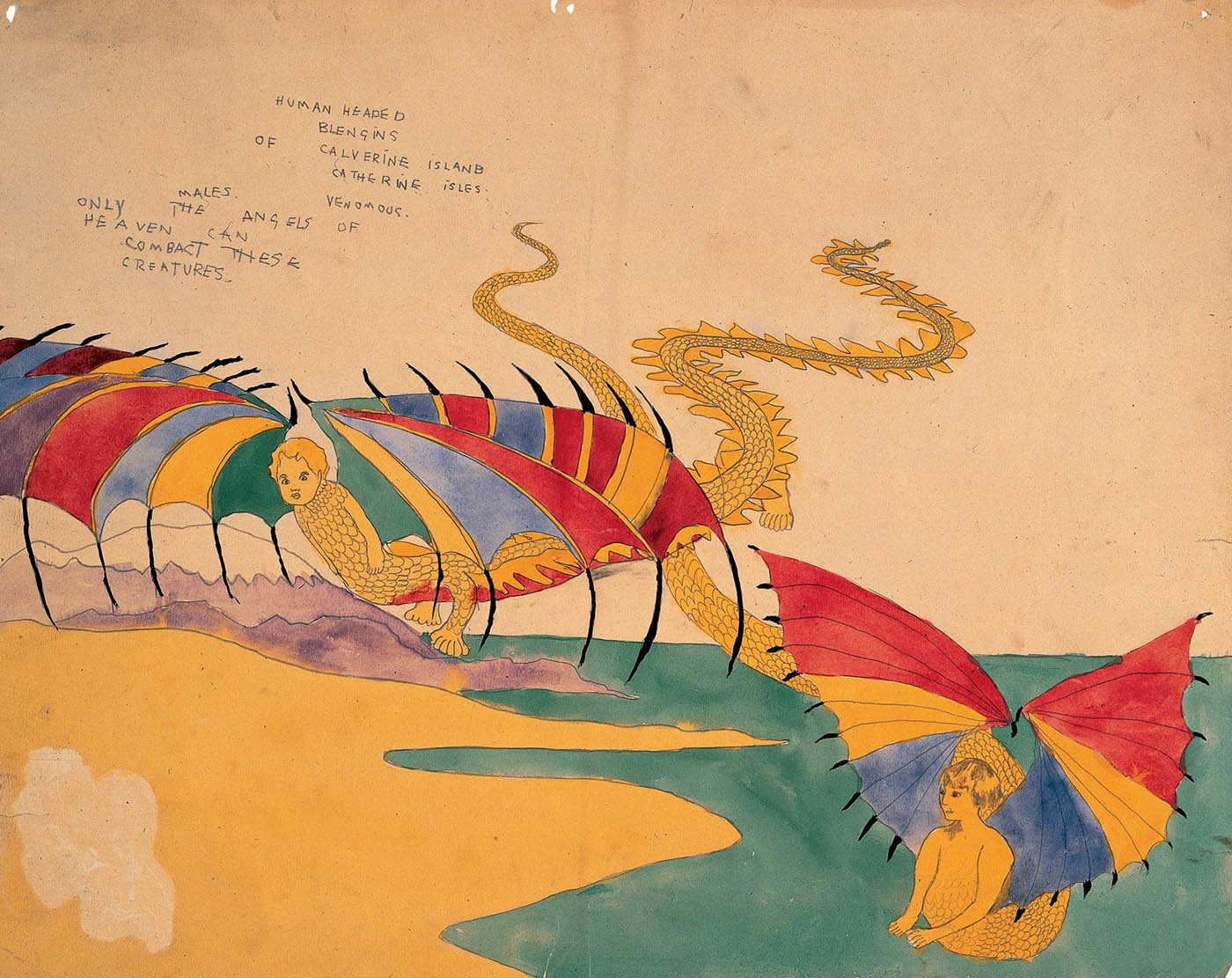
What’s important to emphasize here is there wasn’t a single ironic bone in Henry Darger’s body, who was almost painfully earnest in everything he made, despite having absolutely zero expectation that any of it would ever be published or seen. He made his art for the sheer love of it, not for fame or fortune (per 2 Nephi 26:29, we might say he engaged not in Priestcrafts…). He had no form nor comeliness, and when we saw him, there was no beauty that we should desire him–all of which made his artwork stand out all the more in its visionary sincerity and staggering imagination. Even as an obscure old man, he created like a little child–for of such is the Kingdom of God. He descended below all things, and thereby was exalted above them.
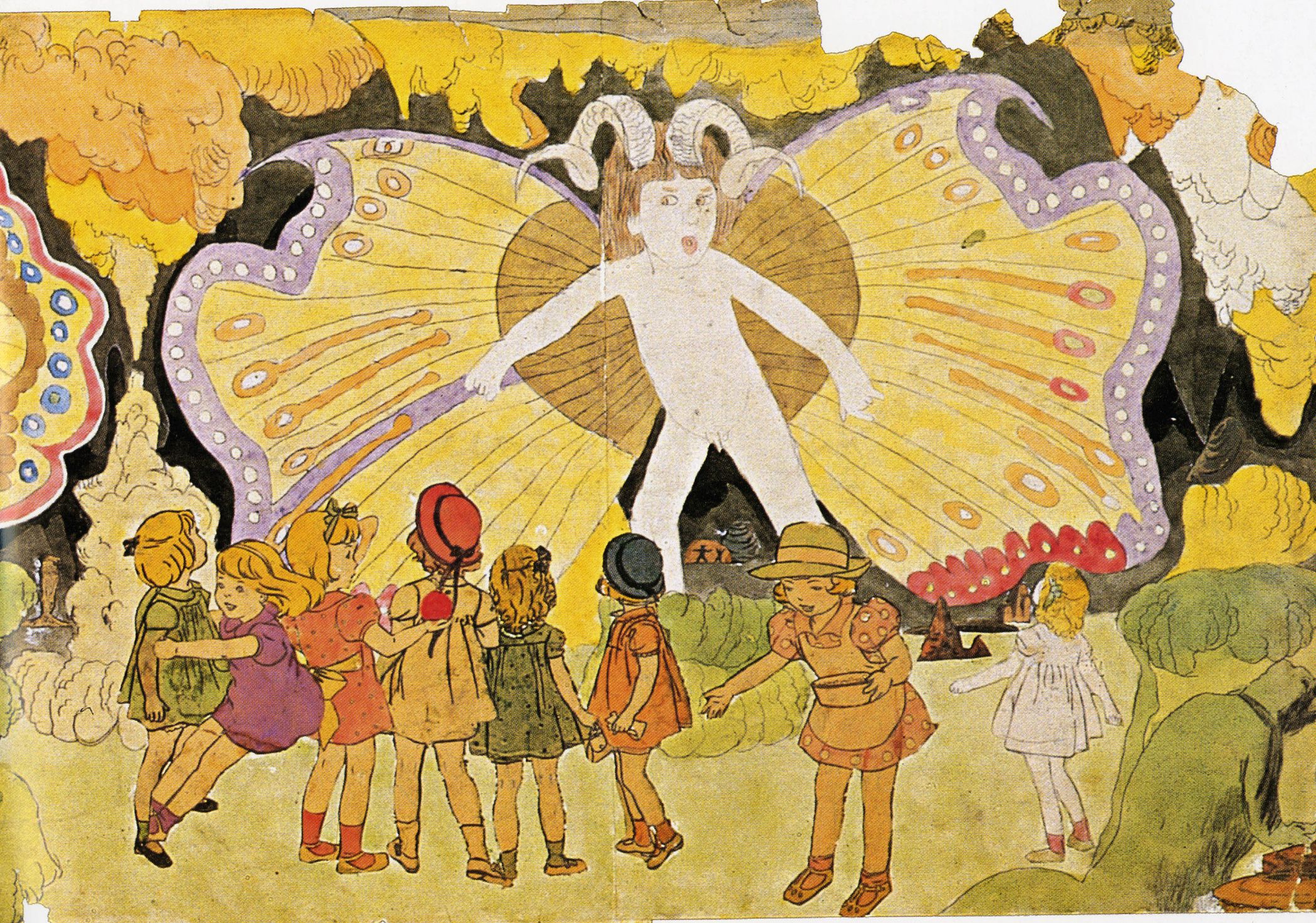
By naming themselves after one of the great outsider artists of the 20th century, Vivian Girls did not just seem to be gloaming on to some borrowed underground cred, but indicating that for all of their apparent ironic detachment, they really did feel as deeply and personally about the world as Henry Darger did. The irony was always just a front; the love buried deep in the mix was always the most real of all—so real they almost couldn’t bear to express it.
We in the Church are far less inclined towards irony, which we tend to heavily discourage in our discourse. It would be considered disrespectful, for example, to be ironic while bearing our testimony on a Fast Sunday, or as a missionary, or in Seminary. Yet I suspect we are no less adept at saying things in quotes: everything we say must come backed up by a scripture, or a General Authority, or some manual. Our Relief Society and Priesthood lessons are now just rehashings of recent General Conference talks that are themselves just rehashings of earlier talks–just quotes within quotes—and it’s not like our lessons strayed far from the correlated manuals even before then.
I need to be careful here, because my purpose here isn’t to just dogpile on the widespread complaints about the poor quality of our Sunday School lessons (though I do indeed share them); rather, it is to note that saying “I believe in Christ” in quotes is still to say “I believe in Christ.” A testimony, after all, is something intensely personal and incommunicable; words fail to articulate it. Hence why we fall back on quotes and cliches, because sometimes they are all we have (if words are going to fall short, they might as well fall short all the way). This is simply me trying to be more charitable when a lesson falls flat; how could it possibly land better, when a testimony can only come from within in the first place? Our cliches may detach us from our testimonies, but we ironically have no other way to bare them.
And of course if Henry Darger was a complete outsider making good with Vivian Girls, then what of an obscure farm boy blazing out of nowhere with an entirely new book to read, one that is another testament of some equally obscure carpenter—“What good thing comes from Nazareth?”—who once emerged with a message that set the whole world on fire…
References
| ↑1 | Wife of the mercurial Jeff Mangum, incidentally. |
|---|